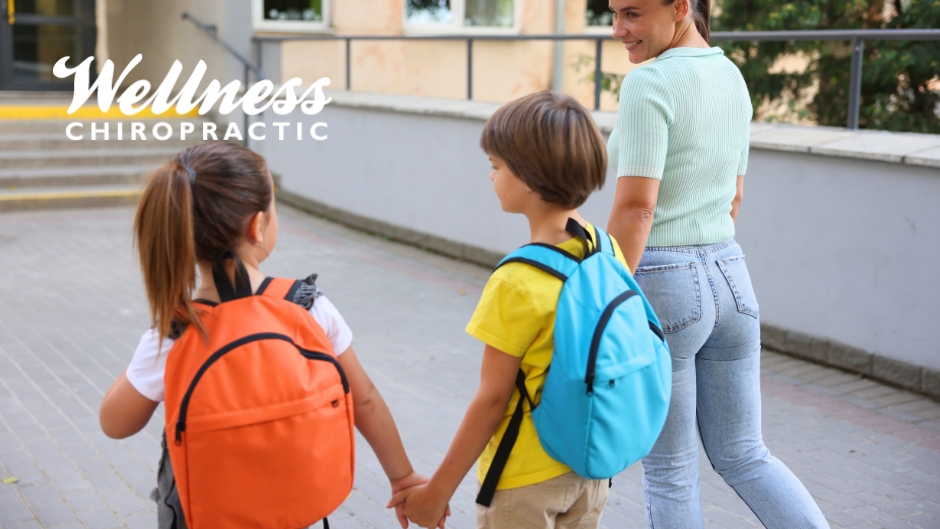
Backpacks are part of everyday life for most children. Books, laptops, sports gear, and lunchboxes all end up in the same bag, often carried around between school, home, and activities.
But when a backpack is too heavy or worn incorrectly, it can place unnecessary strain on a growing spine. Children may lean forward to compensate for the weight, tighten their shoulders, or shift their posture without even realising it. Over time, these small compensations can lead to discomfort in the neck, shoulders, or lower back.
Chiropractic care often focuses on how everyday habits influence spinal health, especially during the years when a child’s body is still developing. Simple changes in how a backpack is chosen, packed, and worn can make a meaningful difference in reducing strain and supporting healthier posture.
With a few practical habits, parents can help ensure that something as routine as carrying a backpack supports their child’s comfort and long-term musculoskeletal health rather than quietly working against it.
Children’s backpacks: Key chiropractic tips for proper usage
1. The 10% rule (weight limits)
The most common mistake is overloading. According to chiropractic standards, a child’s backpack should weigh no more than 10% to 15% of their total body weight.
| Child’s Weight | Max Backpack Weight (10%) |
| 23 kg | 2.3 kg |
| 36 kg | 3.6 kg |
| 45 kg | 4.5 kg |
If your child has to lean forward to carry the bag, it’s too heavy.
2. Shop for spinal support
Not all backpacks are created equal. Look for these specific ergonomic features:
- Wide, padded straps: Narrow straps can dig into shoulders and interfere with circulation and nerves.
- A padded back: This provides a cushion between the sharp edges of books and your child’s spine.
- Waist and chest belts: These are not just for hiking! They help distribute the weight more evenly across the hips and pelvis rather than just the shoulders.
3. Proper packing strategy
How you place items inside the bag matters just as much as the weight itself.
- The heavy-to-back rule: Place the heaviest items (textbooks, laptops) closest to the child’s back.
- Use all compartments: Utilise the side and front pockets to distribute weight laterally so the bag doesn’t sag or pull to one side.
4. The two-strap habit
It might look “cool” to sling the bag over one shoulder, but it’s a recipe for disaster. This causes the spine to curve unnaturally to compensate for the uneven load, leading to muscle spasms and neck pain. Always use both straps.
5. Adjust the height
The backpack should sit snugly against the back.
- Top: Should be about 5cm below the shoulder.
- Bottom: Should rest in the curve of the lower back, never hanging more than 10cm below the waistline.
Quick checklist for your next purchase
| Feature | Why it matters |
| Padded Straps | Prevents “strap bite” and nerve compression in the shoulders. |
| Multiple Compartments | Helps distribute weight and prevents items from shifting. |
| Lightweight Material | Don’t add unnecessary dead weight before you even pack. |
| Padded Back | Protects your spine from sharp edges (like book corners or chargers). |
If you find yourself leaning forward to compensate for the weight, your bag is either too heavy or too low. Stand tall—your ears should stay aligned over your shoulders.
Common symptoms of backpack strain
If you notice any of the following, your child may be experiencing backpack-related strain:
- Red marks or creases on the shoulders.
- Numbness or tingling in the arms or hands.
- Complaints of headaches or neck stiffness.
- Noticeable changes in posture (rounded shoulders).
Long-term prevention for backpack strain
If the backpack is still too heavy after these procedures, consider utilising a trolley bag or speaking with educators about leaving heavy books at school. Chiropractors recommend that children use backpacks for no more than 30 minutes at a time.
The best defence against a heavy load is a strong core. Long-term prevention includes keeping your child active.
- Core strength: Activities like swimming, gymnastics, or even simple planks help build the abdominal and back muscles that support the spine.
- Postural awareness: Gently remind them to “stand tall” when wearing their bag. If they are leaning forward to compensate for the weight, the bag is either too heavy or fitted incorrectly.
Final thoughts
By incorporating these chiropractic tips into your child’s backpack usage, you can help promote their spinal health and ensure their comfort. Remember to prioritise weight limits, choose ergonomic backpacks, and encourage proper packing and wearing habits.
Staying mindful of any symptoms related to backpack strain will allow for timely adjustments. Ultimately, fostering a strong core and postural awareness is key to long-term well-being.
Consider discussing any concerns with an experienced chiropractor to ensure your child’s best health.
Book an appointment at Wellness Chiropractic for your personalised chiropractic care and treatment plan!